What is Dot Peen Marking?
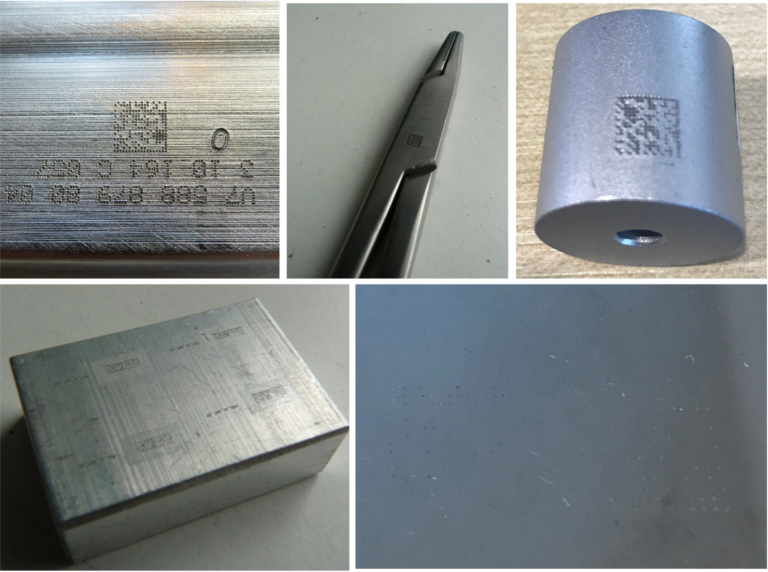
DOT PEEN MARKING is a permanent marking process in which a hardened stylus creates a series of closely spaced indentations on the surface of a component. Machines can arrange these dots in a pattern to create various codes like serial numbers, logos, and text. In many modern manufacturing environments, dot peen marking is automated to ensure accuracy and speed.
The marking tool is precisely controlled in the X and Y directions to create dots that meet the required size, shape and spacing to ensure the mark is permanent and machine-readable. Machine vision systems are often used afterwards to verify that the Data Matrix code is readable and meets traceability requirements.
Depending on the material and surface condition of the part, surface treatment or preliminary machining may be required before dot peen marking. This helps create a more uniform marking surface, improving dot consistency and ensuring higher contrast and long-term readability of the code for machine vision inspection.
Problems During Vision Inspections
Dot-peen markings are commonly applied to metallic surfaces with highly reflective finishes. Inspecting these small, closely spaced indentations requires high-contrast imaging at short working distances. However, the integrated illumination provided by many vision cameras is not optimised for such applications.
When coaxial or direct lighting is used on metallic surfaces, strong reflections can be produced, causing glare and unwanted highlights to be reflected into the camera lens, which can significantly reduce image quality and marking visibility.
SOLUTIONS
Best for:
Reflective metal surfaces and standard dot peen code inspection.
How it works:
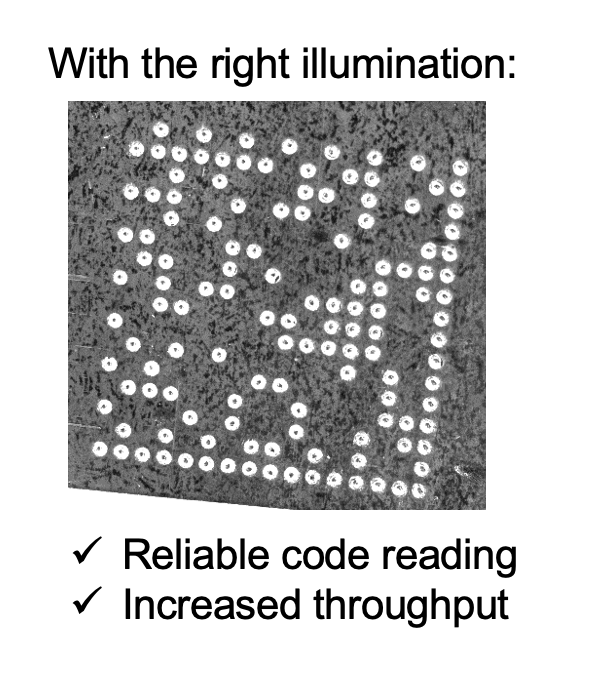
Low angle (dark field) lighting projects light onto the surface at a very shallow angle. The flat surface reflects the light away from the camera and therefore appears dark. The raised edges and indentations created by the dot peen process scatter light back towards the camera, making the code appear bright against a dark background.
Why it helps to reduce reflections:
Because the majority of reflected light from the shiny metal surface is directed away from the camera, glare is significantly reduced. This creates excellent contrast between the code and the surrounding material.
Recommended TPL Vision products:
Best for:
Applications requiring flexible lighting angles or larger inspection areas.
How it works:
Bar lights can be positioned at various angles around the part, allowing users to optimise illumination for the specific surface finish and marking characteristics. Common configurations include opposing bars, low-angle arrangements, or four-bar square setups.
Why it helps reduce reflections:
By adjusting the angle of incidence, reflections can be directed away from the camera while maintaining strong illumination on the dot peen code. This flexibility makes bar lights particularly useful when dealing with challenging geometries or highly reflective surfaces.
Recommended TPL Vision products:
Choosing the Right Lighting for Dot Peen Marking Inspection
Choosing the most suitable lighting solution for dot-peen code inspection depends on factors such as the surface finish, code depth, available installation space, and inspection speed.
LOW-ANGLE or DARK-FIELD lighting is often the preferred choice for most applications, as it creates excellent contrast by highlighting the indentations and raised edges of the marking while keeping the surrounding surface dark.
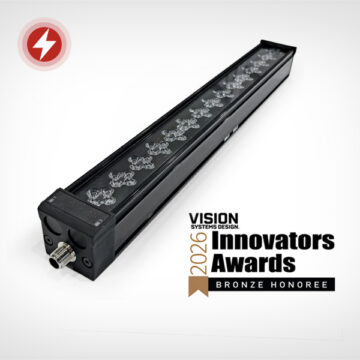
For applications requiring greater flexibility, such as larger parts or challenging mounting conditions, BAR LIGHTS allow users to adjust the lighting angle and configuration to optimise contrast and code visibility. High-output bar lights are also well suited to high-speed production lines where short exposure times and maximum illumination are essential.
Finding the appropriate lighting technology and positioning, manufacturers can significantly improve code readability, reduce inspection errors, and ensure reliable traceability throughout the production process.
Related products
-

High Power Strobe HPS BAR
- Ultra Bright Strobe Barlight
- Angle Changers Flexibility
- Sizes up to 2500mm
-
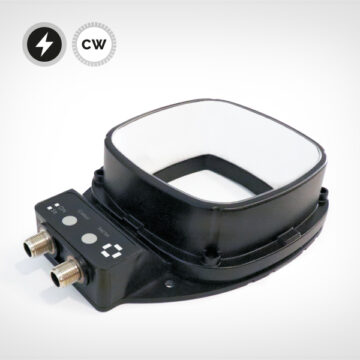
MR-Dark Field (DKF)
- Dark field light
- OverDrive, Sektoren, zweifarbig
- 80mm und 130mm Innen-Ø
-
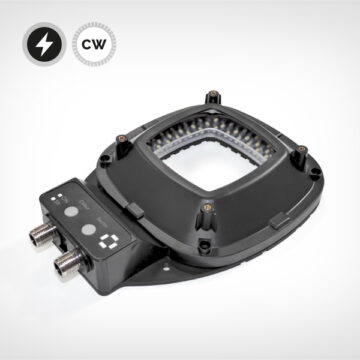
MR-Low Angle
- Leistungsstarke 45° Flachwinkel-Beleuchtung
- OverDrive, Sektoren, zweifarbig
- 80mm und 130mm Innen-Ø